
Does Home Automation Work Without the Internet?
- Street: 702H ibn battuta gate building Dubai , UAE
- City: Dubai
- State: Abu Dhabi
- Country: United Arab Emirates
- Zip/Postal Code: 00000
- Website URL: https://ziotech.ae/home-automation-company-in-dubai/
- Email ID: [email protected]
- Contact NO: 0559028413
- Listed: September 19, 2026 3:25 pm
- Expires: 29 days, 18 hours
Description
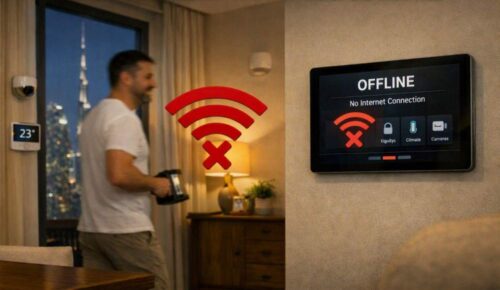
Home automation can continue working without a constant internet connection, depending on how the system is designed. Many systems use a local hub or controller to manage connected devices within the home. Basic functions such as turning lights on or off, adjusting thermostats, or operating certain sensors may continue even when the internet is unavailable.
The internet is mainly needed for features that depend on cloud services. Remote control through a smartphone, cloud-based storage, voice assistants, software updates, and notifications may stop working during an internet outage. However, devices connected through local networks can still communicate with each other if the home network and controller remain active.
When planning home automation, it is useful to understand which features require internet access and which can operate locally. A system with local control can provide more reliable access to essential functions during temporary connectivity problems. The choice of devices, communication protocols, and central controller can all affect how the system behaves offline.
For homeowners, checking offline capabilities before installation can help avoid unexpected limitations. A well-planned Home automation setup can combine internet-based convenience with local control for important everyday functions.
5 total views, 5 today
Listing ID: 7826aaea97cb031b

- Listed by: ziotech
- Member Since: May 29, 2026
Other items listed by ziotech
- What Questions Should You Ask Before Installing Smart Home Security?
- How Can You Estimate the Requirements for an AV Integration Project?