
Polarized vs. Non-Polarized: What’s the Difference?
- City: Noida, Uttar Pradesh, India
- State: uttar Pradesh
- Country: India
- Website URL: https://nayanva.com/
- Email ID: [email protected]
- Contact NO: 8755491511
- Listed: June 21, 2026 6:29 pm
- Expires: 11 days, 21 hours
Description
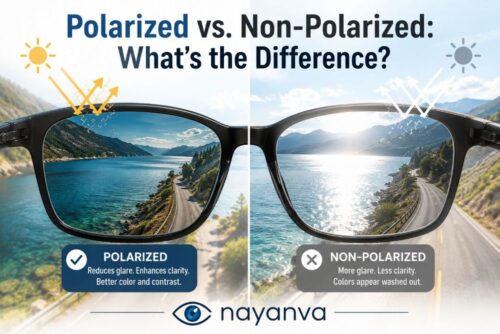
When you’re buying sunglasses, “polarized” comes up a lot. It’s on tags, in descriptions, in recommendations. But a lot of people aren’t totally clear on what it actually means or whether it’s worth the extra cost — which is fair, because it’s not always explained well.
Here’s the simple version.
Light normally travels in all directions. When it bounces off a flat surface — like a road, water, or a car hood — it tends to reflect in a way that creates a very specific kind of harsh glare. That flat, blinding glare is what polarized lenses are designed to block.
A polarized lens has a special filter built into it that only lets in vertically oriented light. The horizontally reflected glare gets blocked. The result is that things look clearer and less washed out, especially around water or on bright roads. Colors tend to look more saturated too, which is a nice bonus.
Non-polarized lenses still provide UV protection and darken incoming light — but they don’t specifically filter out that horizontal glare. For some situations that’s completely fine. For others, the difference is significant.
Driving is probably where polarization shows its value most clearly. Road glare, wet pavement, reflections off other cars — polarized lenses handle all of that better. If you spend significant time driving in sunny conditions, polarized is genuinely worth it.
Where polarized lenses aren’t ideal: looking at LCD screens. Polarization can sometimes cause screens to appear dark or distorted at certain angles — worth knowing if you check your phone frequently or need to read a GPS while driving.
Nayanva’s sunglasses buying guides break down polarized options across different price ranges and use cases, which is helpful if you’re trying to figure out what makes sense for how you actually spend time outdoors.
You don’t have to spend a fortune to get a decent polarized pair. It’s one of those features where even a mid-range option will noticeably outperform a non-polarized lens in the right conditions.
28 total views, 3 today
Listing ID: 5896a382d66c3a1a

- Listed by: aakanksharana
- Member Since: June 4, 2026
Other items listed by aakanksharana
- Prescription Sunglasses Guide: Clear Vision, Sunny Days
- Sports Eyewear Benefits: Enhancing Performance and Protection
- Eco-Friendly Eyewear Trends: Style with a Conscience
- Best Glasses for Round Faces: Simple Guide
- Children’s Eyewear Guide: Finding the Perfect Pair for Young Eyes